Trusted Morehead Semi Truck Services Keeping Your Fleet on the Road
Trustworthy Semi Truck Solutions for Your Extended Distance Hauls
Trustworthy freight truck services are vital in the logistics industry. They ensure timely deliveries and the integrity of cargo during long-distance hauls. With the right company, companies can increase operational efficiency and customer satisfaction. However, choosing the appropriate service needs careful consideration of various factors. Understanding these elements can strongly influence overall performance in a competitive market. What should businesses focus on when examining potential trucking partners?
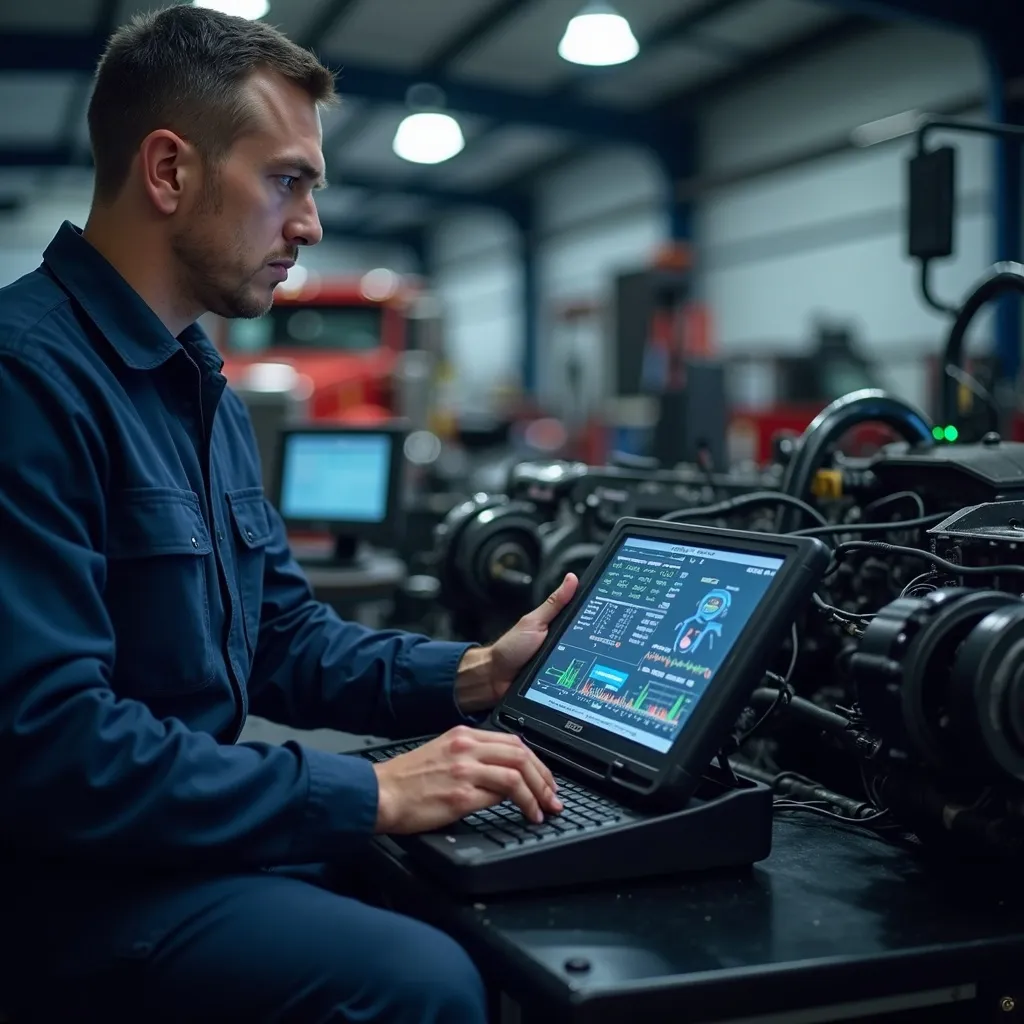
The Value of Trustworthy Semi Truck Support
Professional semi truck services represent a vital function in the transportation industry, offering timely shipments and promoting efficient logistics. These services serve as the foundation for organizations that need to transport goods over long stretches. The ability to maintain schedules and achieve deadlines has a significant effect on an entity's standing and profits. Additionally, consistency in semi truck services facilitates cutting operational costs, as it reduces interruptions that can create economic losses.
Moreover, reliable trucking services improve customer contentment by ensuring that products arrive in peak condition and on time. A steady service also develops confidence between carriers and clients, creating long-term partnerships. Furthermore, with the expanding demand for e-commerce, the need for dependable transportation has never been more critical. In this competitive landscape, businesses that focus on dependable freight transportation are better suited to thrive and adapt to changing market conditions.
How to Assess the Reputation of Semi Truck Providers
Assessing the credibility of semi truck service providers is necessary for businesses aiming to ensure smooth logistics and timely deliveries. Organizations can start by investigating online ratings and feedback from previous clients, which often reflect the consistency and quality of service offered. Social media platforms can also offer insights into customer experiences and engagement levels.
In addition, collecting suggestions from industry peers can supply pertinent insights about trustworthy providers. Membership in well-known associations, such as the American Trucking Association, often reveals a commitment to industry standards and quality standards.
It is also advantageous to review any grievances submitted to regulatory agencies, as this can reveal potential issues. In conclusion, evaluating the service provider's background and performance history in managing particular freight types may further clarify their proficiency. By utilizing these approaches, companies can make informed decisions when choosing semi truck service providers.
Key Aspects for Determining Your Semi Truck Support
When selecting a semi truck service, several key criteria come into consideration. Reliable and accessible service, transparent pricing, and compliance with safety regulations are essential elements that can significantly affect operational performance. Understanding these elements is crucial for choosing wisely.
Reliability of Service and Availability
Selecting a big rig service relies significantly on its trustworthiness and availability, since these aspects play a crucial role in operational efficiency. A trustworthy service offers prompt deliveries, minimizing the possibility of delays that can influence customer satisfaction and overall business performance. Availability is just as vital; a service available 24/7 can support urgent demands and unexpected situations, giving reassurance for long-distance transport. Businesses must review a provider’s history, such as punctuality and problem responsiveness. Furthermore, inspecting the fleet’s service protocols can indicate likely reliability, assuring the trucks are operational and suitable for long-distance trips. Ultimately, prioritizing reliability and availability aids businesses in maintaining a competitive edge in the logistics industry.
Pricing Openness and Structure
Many variables affect the choice of a semi truck service, with pricing transparency and structure being key elements. Clients need to know the cost breakdown related to their services to make well-informed decisions. Open pricing avoids hidden fees and unexpected charges, creating trust between the service provider and client. A clear structure outlining costs for distance, weight, and extra services helps businesses budget effectively. Moreover, companies that provide detailed quotes and itemized invoices show professionalism and accountability. By emphasizing pricing transparency, clients can be assured they receive fair value for their investments while steering clear of unpleasant surprises during long-distance hauls. This clarity ultimately leads to a smoother and successful transport experience.
Safety Standards and Compliance
Safety standards and compliance are critical considerations in choosing a semi truck service. Companies must adhere to federal and state regulations, including the Federal Motor copyright Safety Administration (FMCSA) guidelines. These regulations cover vehicle maintenance, driver qualifications, and hours of service. A reliable service will hire qualified drivers with necessary certifications and maintain up-to-date records of inspections and repairs. Additionally, adherence to safety protocols, such as proper cargo securing and the use of safety equipment, is important. Clients should ask regarding the service's safety history, including accident rates and compliance audits. By emphasizing safety and compliance, businesses can guarantee reliable transportation while minimizing risks on long-distance hauls. Ultimately, these factors contribute to a trustworthy and efficient semi truck service.
How to Evaluate the Right Pricing Model for Long-Distance Hauling
How can one successfully identify the most ideal rate structure for extended-distance shipping? The determination copyrights on various elements, including the character of the freight, mileage, and economic conditions. Standard cost frameworks consist of per-mile rates, flat fees, and weight-based charges. Businesses should assess their transport frequency and quantity to recognize which model lowers costs while guaranteeing profitability.
Furthermore, learning the competition's pricing strategies can supply awareness into sector norms. For case, unit-distance pricing background information may be useful for consistent routes, while flat fees could benefit irregular shipments. It's also vital to take into account foreseeable supplemental costs, such as fuel or passage fees, which can greatly affect overall expenses.
Ultimately, selecting the right pricing strategy demands a thorough assessment of business requirements, market trends, and monetary objectives to guarantee that the selected approach matches the company's long-term strategy.
Client Care Value in the Trucking Business
Superior customer support holds a critical position in the trucking industry, shaping both operational efficiency and client satisfaction. Immediate engagement between trucking companies and clients creates trust, ensuring that expectations are clearly understood and met. When issues arise, responsive support teams can promptly address concerns, curtailing potential disruptions to shipments.
Additionally, qualified support experts can deliver valuable insights into warehouse and distribution, guiding customers make informed decisions about their freight needs. This proactive approach not only enhances the customer experience but also promotes continued business ties.
Moreover, robust customer support can help a trucking company stand out in a competitive market. Clients are more prone to remain attached to a company that puts first their needs and addresses problems thoroughly. Ultimately, putting effort into quality customer support is necessary for sustaining operational success and building a positive reputation in the trucking industry.
Key Systems in Semi Truck Support
Across the domain of semi truck services, innovative technologies assume an essential role in optimizing operational efficiency. GPS navigation systems, fleet management software, and telematics with data analytics are critical tools that advance logistics and enhance route planning. These innovations not only optimize performance but also result in cost savings and enhanced resource management.
Global Positioning System Navigation Solutions
As logistics develops, GPS navigation systems are now critical for semi truck services, elevating both performance and safety on the roads. They offer instant location tracking, enabling drivers to determine the quickest routes and steer clear of traffic jams. Through the use of satellite technology, GPS increases navigation accuracy, reducing fuel usage and delivery duration. Additionally, many systems offer features such as route optimization and alerts for road conditions, enabling drivers to make informed decisions while on the journey. The data collected can also be used for performance analysis, helping companies assess driver behavior and route effectiveness. Overall, GPS navigation systems function as an indispensable aid that fulfills the operational necessities of long-haul hauls, assuring timely deliveries and increased customer satisfaction.
Fleet Management Platform
Fleet management software enhances the way semi truck services function by streamlining operations and enhancing decision-making. This technology integrates various functions, allowing fleet managers to monitor vehicle performance, improve routes, and manage maintenance schedules effectively. By consolidating data into a single platform, it enables instant monitoring of assets, ensuring on-time shipments and reducing operational costs. In addition, fleet management software ensures compliance with regulations by streamlining reporting and documentation processes. The ability to examine past performance aids in forecasting needs and improving resource allocation. Overall, this software empowers logistics companies to enhance productivity, minimize downtime, and sustain a market advantage in the ever-evolving transportation industry.
Remote Data Systems and Data Analytics
The incorporation of telematics and data analytics into semi truck services significantly improves performance optimization. By leveraging real-time data, fleet managers can track vehicle performance, measure fuel consumption, and improve routes. This technology enables predictive maintenance, reducing downtime and prolonging the lifespan of vehicles. Data analytics further assists in identifying patterns and trends, allowing for informed decision-making that enhances logistics and economic efficiency. Furthermore, telematics systems provide insights into driver behavior, encouraging safer driving practices and enhancing overall road safety. As a result, companies adopting these technologies are better positioned to respond to market demands while reducing operational costs. Ultimately, telematics and data analytics constitute essential instruments for updating and streamlining long-distance hauling operations.
Advice for Creating a Long-Term Collaboration With Your Trucking Service
Building a successful long-term partnership with a trucking service involves thoughtful planning and transparent communication. First, businesses should determine clear expectations about delivery timelines, budget, and service quality. This clarity promotes joint understanding and minimizes emerging disputes.
Additionally, consistent meetings can establish a proactive relationship, allowing both stakeholders to resolve issues before they escalate. It is also helpful to exchange perspectives into functional requirements and difficulties, enabling the trucking service to adapt its products efficiently.
Furthermore, acknowledging the trucking service's accomplishments and achievements can strengthen morale and commitment. Delivering commentary and acknowledging improvements fosters a teamwork-oriented atmosphere.
In conclusion, consider discussing expansion possibilities and how both parties can gain advantage from each other's expansion. By investing time and resources into nurturing this relationship, businesses can guarantee not only reliability in service but also a market advantage in the logistics landscape.
Regularly Asked Questions
What Classes of Load Can Trustworthy Semi Truck Solutions Move?
Dependable semi truck solutions can move various types of cargo, including agricultural products, machinery, electronics, textiles, and hazardous materials. Their versatility enables efficient movement across distances, catering to diverse industries and logistical needs.
What's the Easiest Method to Monitor My Shipment During Long-Distance Hauls?
To track shipments during long-distance hauls, one can utilize GPS tracking systems, smartphone apps, or online portals provided by the trucking service, ensuring real-time updates on location and estimated delivery times throughout the journey.
What Protection Plans Are Offered for Semi Truck Services?
Semi truck operations offer various insurance options such as liability coverage, cargo insurance, physical damage insurance, and non-trucking liability. Each handles particular concerns, guaranteeing adequate protection during long-distance transportation and mitigating potential financial losses.
What Way Do Weather Conditions Influence Long-Distance Trucking Services?
Weather situations greatly impact long-distance hauling operations, affecting visibility, road conditions, and driving safety. Rain, snow, and fog can lead to delays, increase accident risks, and necessitate adjustments in routes and schedules for ideal safety.
What Can I Do if My Shipment Is Behind Schedule?
If a shipment is delayed, the customer should begin by reaching out to the transportation company for news, then notify the recipient about the matter. Looking over the contract for clauses and potential compensation options may also be beneficial.